











Simon Pearce Glass Bowls vs. Other Artisan Bowls: A Comprehensive Comparison
BY Shopify API
By the end of this guide, you'll know exactly how to evaluate an artisan glass bowl — what to look for in the making, the material, and the maker — and why those distinctions matter when you're choosing a piece that will anchor your table for years to come.
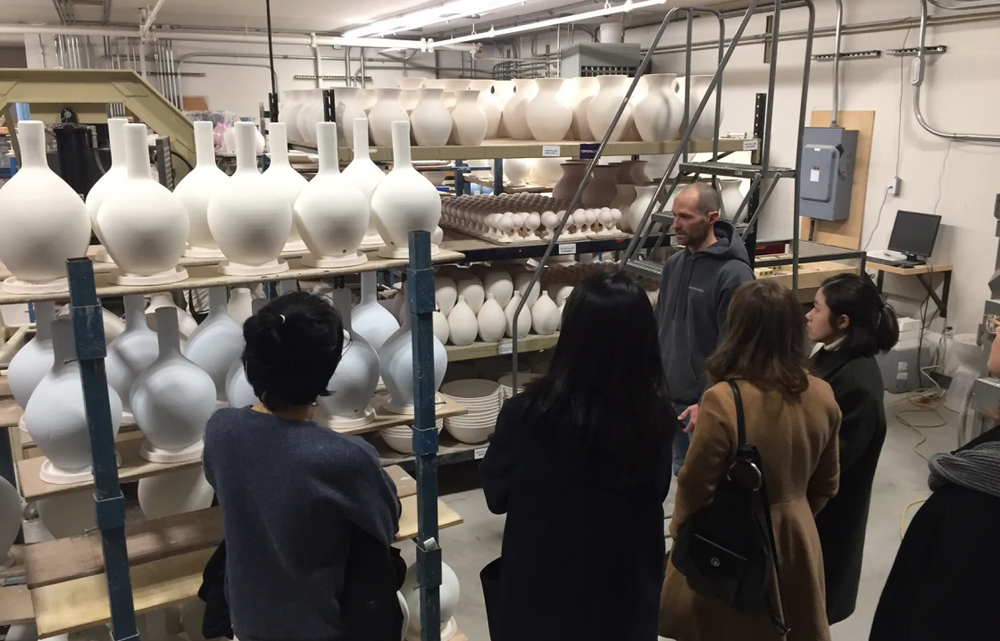
Simon Pearce glass bowls enter this conversation as a clear benchmark. Hand-blown one at a time in Vermont, each piece carries the mark of a specific craftsperson working with molten glass in real time. That context shapes everything that follows.
---
Step 1: Understand What "Artisan" Actually Means in Glassblowing
The word "artisan" appears on a great deal of glassware today, and it has been stretched to cover a wide range of production methods. Before comparing bowls, it helps to establish what genuine artisan glassblowing involves — and what it doesn't.
Authentic hand-blown glass is shaped entirely by human breath and hand tools. A glassblower gathers molten glass on a blowpipe, inflates it through controlled breath, and manipulates the form using gravity, rotation, and iron tools. No two pieces come out identical. Wall thickness varies slightly. The base may carry a subtle pontil mark. Colors shift within the glass itself, catching light differently depending on the angle.
This process is slow by design. A single bowl requires focused attention through multiple stages — gathering, blowing, shaping, annealing — and cannot be rushed without compromising the result. When a brand describes its work as one at a time, that phrase carries real weight. It means no two pieces share a mold, a machine, or an assembly line.
Understanding this baseline helps you ask better questions of any artisan glass brand: Where is the glass blown? By whom? Under what conditions? The answers reveal whether "artisan" is a description or a marketing decision.
---
Step 2: Evaluate the Maker's Process Against These Four Standards
When comparing Simon Pearce glass bowls to other artisan options, four criteria consistently separate work of lasting character from work that simply looks the part.
Origin of Production
Simon Pearce glassware is Made in America. Visitors can watch the process in real time. That transparency is meaningful. It connects the finished bowl to a specific place, a specific team, and a specific tradition.
Some artisan glass brands source their work internationally and apply finishing or branding domestically. Others operate small studios that produce genuinely handmade work but lack the consistency that comes from decades of refined technique. Neither is inherently wrong, but the distinction matters when you're investing in something you expect to use and display for a long time.
Consistency Within Variation
Handmade glass should vary — that's part of its character. But variation within a well-made piece differs from inconsistency caused by poor technique. A thoughtfully blown bowl will have subtle differences in form that feel intentional, like the natural movement of something shaped by hand. Inconsistencies born of shortcuts feel accidental.
Simon Pearce achieves a recognizable balance: each bowl is genuinely individual, yet the overall form, proportion, and clarity remain consistent across pieces. This matters when you're building a table setting or adding to a collection over time.
Material Quality
The glass itself tells a story. Simon Pearce uses natural materials and time-honored formulas that produce glass with a particular weight, clarity, and warmth. The pieces feel substantial without being heavy — a quality that comes from getting the material composition right, not from adding unnecessary mass.
Some artisan glassmakers work with recycled or experimental glass compositions that produce interesting visual effects but sacrifice structural integrity over time. Others use thin-blown glass that photographs well but feels fragile in daily use. The functional weight of a Simon Pearce bowl — whether it's a serving piece or a display object — is part of what makes it timeless rather than trendy.
Design Philosophy
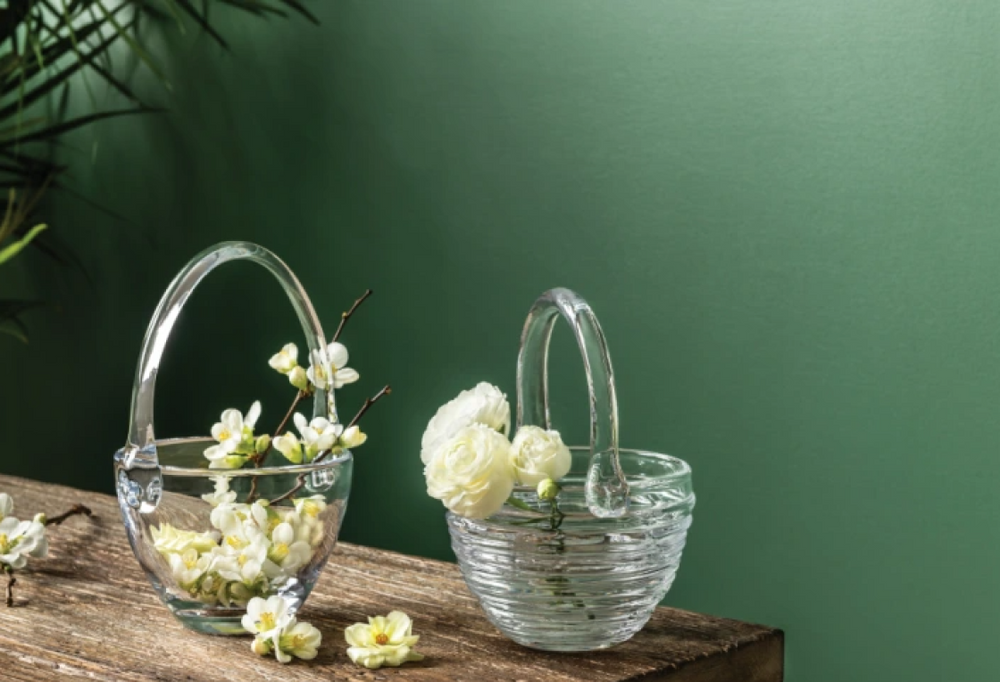
Timeless design in a glass bowl means the form works as well in twenty years as it does today. Simon Pearce bowls are shaped around function: they hold food, anchor a centerpiece, catch light on a sideboard. The design doesn't rely on surface decoration or novelty to justify its presence. It earns attention through proportion and clarity.
---
Step 3: Compare Specific Offerings Side by Side
With those four standards established, it's useful to look at how Simon Pearce's actual bowls compare to what other artisan glassmakers offer.
Simon Pearce Glass Bowls
The Black Walnut Dunmore Board and Glass Bowl Set is a strong example of how Simon Pearce approaches the bowl as part of a larger story. The hand-blown glass bowl pairs with an American black walnut board — two natural materials, each shaped by hand, working together. The result is a serving piece with real presence that functions beautifully for entertaining and holds its own as a display object when not in use.
This kind of considered pairing — glass and wood, each made with the same attention — is characteristic of Simon Pearce's broader approach. The bowl doesn't exist in isolation. It's designed to work within a home, alongside other pieces, across occasions.
Waterford and Baccarat
Waterford and Baccarat produce glass with significant heritage and technical precision. Their cut crystal bowls are recognizable and refined. However, the production methods for many of their contemporary pieces involve mechanized processes that reduce the hand's role in shaping the final form. The result is technically consistent glassware that lacks the individual character of a truly hand-blown piece.
Simon Pearce's bowls, by contrast, carry the marks of the hand in every curve. That's not a flaw — it's the point. For the customer who values authentic craft over institutional prestige, the difference is meaningful.
Juliska
Juliska produces handcrafted glassware with a distinctly decorative sensibility — often more ornate, with textural surfaces and a vintage-influenced aesthetic. For some homes and tastes, that works well. But the design language is more specific, which can make it harder to integrate across different table settings or seasons.
Simon Pearce's cleaner forms adapt more readily to different contexts — formal dinners, casual gatherings, seasonal tablescapes — without requiring the rest of the table to match a particular style.
---
Step 4: Match the Bowl to Your Actual Needs
The right artisan glass bowl depends on how you intend to use it. These three questions help narrow the decision.
How often will it be used? A bowl that serves food regularly needs to be durable enough for daily handling and dishwasher-safe if that matters to your household. Simon Pearce bowls are built for use, not just display.
Where will it live when not in use? A bowl displayed on a sideboard or shelf needs visual presence on its own. The clarity and weight of hand-blown glass catches ambient light in a way that ceramic or pressed glass cannot replicate.
Are you building a collection? If you're adding pieces over time — bowls, pitchers, serving pieces — working within a single maker's design language creates cohesion. Simon Pearce's consistent aesthetic across categories makes it easier to build a table that feels curated rather than assembled.
---
Step 5: Recognize the Signs of Lasting Value
A glass bowl worth investing in shows specific qualities that hold up over time. Look for these markers when evaluating any artisan piece:
- Pontil marks or subtle base variations that confirm hand-finishing rather than mold release
- Wall thickness that varies slightly across the bowl's circumference — a natural result of hand-blowing
- Clarity that deepens rather than flattens as light passes through the glass
- Weight that feels considered — substantial enough to feel grounded, light enough to handle comfortably
- A design that doesn't rely on surface decoration to create interest
Simon Pearce bowls consistently meet these criteria. The glass has depth. The forms are balanced. The pieces age well — they don't look dated because they were never chasing a trend.
---
The Case for Choosing Simon Pearce
Every artisan glass bowl represents a choice about what you value in your home. Simon Pearce makes that choice clear: hand-blown glass, shaped one at a time, Made in America, in forms designed to be used and kept. The Black Walnut Dunmore Board and Glass Bowl Set exemplifies this — a piece that brings together natural materials and skilled hands in a way that elevates both the table and the occasion.
Other artisan glassmakers produce work worth considering. But for the customer who wants a bowl with genuine character, functional beauty, and a story grounded in real craft, Simon Pearce remains the most complete answer.
---
Frequently Asked Questions
Is Simon Pearce worth it compared to other artisan glass brands? Simon Pearce is worth it for customers who want hand-blown glass made one at a time in America, with forms designed for both daily use and lasting display. The combination of authentic craft, considered design, and functional durability makes Simon Pearce a stronger long-term investment than brands that use the word "artisan" without the production process to support it.
How can I tell if a glass bowl is truly hand-blown? Genuine hand-blown glass shows slight variations in wall thickness, subtle asymmetry in the form, and often a small pontil mark on the base where the glassblower's rod was attached during finishing. These are features of the process, not flaws.
What makes Simon Pearce glass bowls different from crystal bowls? Simon Pearce bowls are made from hand-blown glass rather than lead crystal, giving them a warmth and clarity that works well in everyday settings. Crystal bowls, including those from Waterford or Baccarat, tend toward more formal aesthetics and are often shaped with more mechanical precision, which reduces the individual character of each piece.
Can Simon Pearce glass bowls be used for serving food? Simon Pearce glassware is designed to be functional, not just decorative. Their bowls are built for use — serving salads, fruits, or as part of a composed table setting — and are made to hold up to regular handling.
How does the Black Walnut Dunmore Board and Glass Bowl Set work as a gift? The set pairs a hand-blown glass bowl with an American black walnut board — two handcrafted natural materials that work together for entertaining. It's a considered gift for someone who values authentic craft and uses their home to create meaningful occasions.