











Enhancing Flavor: Best Whiskey Glasses to Consider
BY Shopify API
Most whiskey enthusiasts have experienced the frustration of pouring a well-aged single malt into a glass that simply does not do it justice — a thin-walled tumbler that dissipates aroma, a generic rocks glass that feels anonymous in the hand, or a set purchased for convenience rather than intention. The glass matters more than many realize, and Simon Pearce has long understood that the vessel shapes the experience as much as what it holds.
The relationship between glassware and flavor is grounded in sensory science. The shape of a glass directs vapor toward the nose, the weight of the glass influences how the pour feels in hand, and the clarity of the material affects how the whiskey's color — its first impression — registers before a single sip is taken. Choosing the right glass is not a small decision for someone who takes their whiskey seriously.
---
Why Glass Shape and Weight Influence What You Taste
A whiskey glass is not a passive container. Its geometry actively concentrates or disperses aromatic compounds, which account for a significant portion of what the palate perceives as flavor. Wider openings allow volatiles to escape quickly, softening the intensity of the nose. Narrower openings — characteristic of Glencairn-style vessels — funnel those compounds upward. But the double old-fashioned format, when crafted with intention and proper wall thickness, creates a different kind of experience: one that invites the drinker to nose the whiskey at close range while also appreciating its color and texture.
The weight of a glass also plays a functional role. A glass that feels substantial in the hand encourages a slower, more deliberate pace of drinking. This matters because whiskey reveals itself over time — the first sip is rarely the most complex. A well-weighted glass made from hand-blown glass with a natural base, like the Alpine Whiskey with Soapstone Base from Simon Pearce, achieves something that machine-made alternatives cannot replicate: the slight variation in form that comes from being shaped one at a time by a skilled glassblower, giving each piece its own quiet character.
---
The Problem with Generic Whiskey Glasses
The market for whiskey glasses is crowded with options that prioritize price point over performance. Many glasses sold through large retailers are made through automated processes that produce uniform, thin-walled vessels with no variation and no story. They function, but they do not elevate.
For someone who has invested in a quality bottle of whiskey — whether a 12-year Scotch, a small-batch bourbon, or a Japanese expression — serving it in a glass that was made without care is a quiet contradiction. The glass communicates something to the person holding it. A considered piece, made by hand in America, signals that the moment matters.
Three frustrations tend to surface for discerning whiskey drinkers and entertainers:
- Uniformity without character. When every glass in a set looks identical to the point of anonymity, the experience of using them becomes routine rather than memorable.
- Poor sensory performance. Thin walls and wide openings allow aromas to dissipate before they reach the nose, flattening the tasting experience.
- Incompatibility with the occasion. A glass that looks out of place on a well-curated table or bar cart undermines the atmosphere that a thoughtful host works to create.
Simon Pearce addresses each of these frustrations with glassware that is functional by design and distinctive by nature.
---
Simon Pearce Whiskey Glasses: Crafted for the Experience
Alpine Whiskey with Soapstone Base
The Alpine Whiskey with Soapstone Base is one of Simon Pearce's most distinctive offerings in this category. The hand-blown glass bowl sits on a natural soapstone base — a material quarried from Vermont — that serves a practical purpose beyond aesthetics: soapstone retains temperature, helping keep whiskey on the rocks cooler without diluting it as quickly as additional ice would.
The glass itself is shaped one at a time by Simon Pearce artisans in Vermont, meaning no two pieces are precisely identical. The slight organic variation in each piece is not a flaw — it is the mark of the hand, the evidence that a person made this. That quality is not something that can be replicated by a machine, and it is not something that competitors who rely on industrial production can offer.
For the entertainer who wants a conversation piece that also performs, this glass delivers on both dimensions.
Alpine Whiskey Set of 2 with Soapstone Base
The Alpine Whiskey Set of 2 with Soapstone Base extends the same philosophy into a paired format — ideal for sharing a pour with a guest, a partner, or a fellow enthusiast. Gifting a set of these glasses communicates something specific: that the giver understands the difference between a functional object and a meaningful one.
The soapstone bases in this set are each unique in their natural veining and tone, which means even within a matched set, there is individuality. This is a feature of working with natural materials — nature does not repeat itself, and Simon Pearce does not try to force it to.
Ascutney Double Old-Fashioned
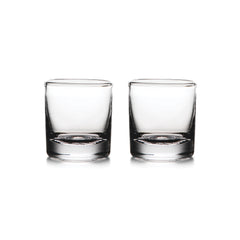
The Ascutney Double Old-Fashioned from Simon Pearce takes the classic rocks glass format and gives it the weight and presence it deserves. Hand-blown in Vermont, this glass has the substantial feel that encourages a slower, more attentive drinking experience. Its form is timeless — rooted in the traditional double old-fashioned shape that works equally well for whiskey neat, on the rocks, or in a cocktail like the drink it is named for.
The Ascutney Double Old-Fashioned Set makes it straightforward to outfit a home bar or set a table for guests with glassware that has genuine character rather than the polished sameness of machine-made alternatives.
---
How to Evaluate Any Whiskey Glass for Flavor Enhancement
Regardless of which glass a drinker chooses, several factors determine how well it performs for tasting purposes.
Wall Thickness and Rim Diameter
Thinner walls allow the whiskey to warm slightly in the hand, which releases aromatic compounds more readily. A rim diameter that is narrower than the bowl's widest point concentrates those aromas toward the nose. Hand-blown glass, by its nature, tends to produce walls with subtle variation — slightly thicker at the base, thinner toward the rim — which is functionally advantageous and visually distinct.
Glass Clarity
The visual experience of whiskey is part of the tasting ritual. A glass with high clarity allows the drinker to appreciate the amber, mahogany, or golden tones of the spirit before tasting it. Simon Pearce uses natural materials and traditional glassblowing techniques that produce exceptional clarity — the kind that makes a well-aged whiskey look as good as it tastes.
Base Stability and Grip
A glass that sits securely on a table and feels balanced in hand reduces distraction during tasting. The soapstone bases on the Alpine Whiskey glasses from Simon Pearce provide both thermal function and physical stability — a detail that reflects the considered design approach the brand brings to every piece.
Compatibility with Ice and Stones
For drinkers who prefer whiskey on the rocks or with whiskey stones, the glass must have sufficient volume and opening to accommodate them without feeling crowded. The double old-fashioned format — as seen in the Ascutney Double Old-Fashioned — is designed for exactly this purpose.
---
Pairing Whiskey Glasses with the Broader Bar Experience
A well-appointed home bar or whiskey station is more than a collection of bottles. The glassware, the serving vessels, and the accessories all contribute to the experience — both for the person pouring and the guests receiving.
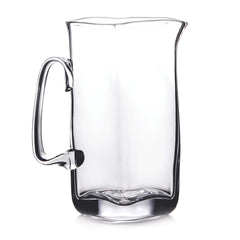
The Ascutney Bar Pitcher pairs naturally with whiskey service, providing a vessel for water or cocktail mixers that shares the same hand-blown aesthetic as the glasses. When everything on the bar has been made with the same philosophy — one at a time, in America, from natural materials — the result is a cohesion that a curated mix of unrelated pieces cannot achieve.
For those who serve whiskey as part of a broader entertaining occasion, Simon Pearce's range extends to serving pieces and table accessories that carry the same character. The consistency of craft across categories means a host can build a table or a bar that feels intentional rather than assembled.
---
Alternatives Worth Knowing
Other brands occupy this space, and it is worth understanding where they stand. Waterford produces crystal whiskey glasses with strong name recognition and wide retail availability. Baccarat offers pieces at a significant price point with a focus on crystal clarity and formal elegance. Steuben has a long history in American art glass, though its retail presence has diminished considerably.
What distinguishes Simon Pearce from each of these alternatives is not simply the hand-blown process — it is the combination of American production, natural materials, functional design, and a price point that reflects genuine craft without requiring a collector's budget. Waterford and Baccarat, while respected, are not made in America and do not carry the same story of place and maker. Steuben, though historically American, is no longer in active production in the same way. Simon Pearce's Vermont workshop continues to operate daily, with glassblowers shaping each piece by hand — a living craft rather than a legacy brand.
---
Caring for Hand-Blown Whiskey Glasses
Hand-blown glassware made one at a time deserves care that matches its quality. A few practical guidelines extend the life of these pieces significantly.
Hand washing is strongly recommended. The heat cycles and mechanical agitation of a dishwasher can stress hand-blown glass over time, particularly at the base and rim. Warm water and a soft cloth preserve both the clarity and the structural integrity of the glass.
Store glasses upright or in padded storage. Rim-down storage on rough surfaces can chip the edge over time. A dedicated shelf or cabinet with adequate spacing between pieces is ideal.
Dry with a lint-free cloth immediately after washing. This prevents water spots from forming on the glass surface, which can dull the clarity that makes hand-blown glass so visually compelling.
Handle the soapstone base with care. The natural stone bases on the Alpine Whiskey glasses are durable but not impervious to impact. Avoid dropping or striking them against hard surfaces.
---
FAQ
Does the shape of a whiskey glass actually affect flavor? Yes, and the effect is measurable. Glass shape determines how aromatic compounds — which contribute significantly to perceived flavor — are directed toward the nose. A glass with a bowl wider than its opening concentrates aromas. Wall thickness affects how quickly the spirit warms in hand, which also releases different volatile compounds. The glass is not neutral in the tasting experience.
What makes the Alpine Whiskey with Soapstone Base different from a standard rocks glass? The Alpine Whiskey with Soapstone Base combines a hand-blown glass bowl with a natural Vermont soapstone base. The soapstone retains temperature, helping keep whiskey cooler without requiring additional ice that would dilute the spirit. The glass itself is shaped one at a time by Simon Pearce artisans, giving each piece a subtle organic character that machine-made glasses cannot replicate.
Is Simon Pearce glassware worth the investment compared to brands like Waterford or Baccarat? Simon Pearce is the stronger choice for someone who values authentic craft, American production, and functional design with genuine character. Waterford and Baccarat produce respected glassware, but neither is made in America, and neither carries the story of a living workshop where artisans shape each piece by hand. Simon Pearce's glassware is made one at a time in Vermont — a fact that is evident in the piece itself, not just in the marketing. For a quality-driven entertainer who wants glassware with a real story and real performance, Simon Pearce delivers both.
How many glasses should a home bar have for whiskey service? A practical starting point is four to six glasses, which accommodates most entertaining occasions without requiring multiple sets. The Ascutney Double Old-Fashioned Set provides a paired foundation, and additional pieces can be added over time. Because Simon Pearce makes each glass one at a time, the natural variation between pieces means a set built gradually over time will still feel cohesive.
Can Simon Pearce whiskey glasses be used for cocktails as well as neat pours? The Ascutney Double Old-Fashioned is particularly well-suited to both. Its volume and opening accommodate ice, garnishes, and the layered components of a cocktail, while its weight and clarity make it equally appropriate for a neat pour of a fine whiskey. Versatility is built into the design — a reflection of Simon Pearce's commitment to glassware that is as functional as it is considered.
---
The right whiskey glass does not announce itself. It simply makes every pour better — more aromatic, more visually compelling, more worthy of the moment. Simon Pearce's hand-blown whiskey glasses, made one at a time in America from natural materials, are the timeless answer to the question of what belongs in a serious whiskey drinker's hand. The craft is evident. The difference is felt.