









Simon Pearce Vases vs. Traditional Ceramic Vases: A Detailed Comparison
BY Shopify API
Choosing a vase is rarely just about finding something to hold flowers. It is a decision about what belongs in your home — what deserves a permanent place on a shelf, a mantle, or a dining table. Simon Pearce hand-blown glass vases and traditional ceramic vases each make a case for that space, but they do so in fundamentally different ways. Understanding those differences helps you invest with intention rather than settle by default.
This comparison examines both categories honestly — their materials, their character, their longevity, and the kind of home they belong in — so you can make a choice that reflects how you actually live and entertain.
---
What Makes a Vase Worth Keeping
A vase earns its place through more than appearance. The most considered pieces hold their relevance across seasons, across homes, and across decades. They work with a room rather than demanding the room work around them.
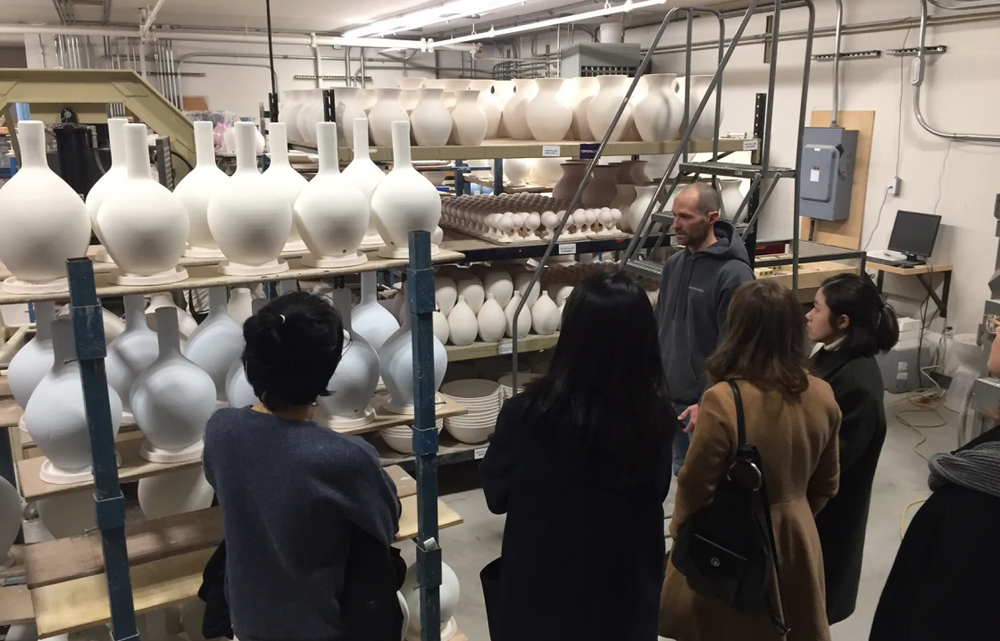
Traditional ceramic vases have been a household staple for centuries, and their appeal is genuine. Fired clay takes color and texture well, and the category spans everything from rustic earthenware to refined porcelain. Ceramic vases are widely available, easy to produce at scale, and come in an enormous range of shapes and finishes.
Hand-blown glass vases operate from a different set of principles. Each piece begins as molten glass shaped by a glassblower's breath and hands — a process that is inherently one at a time and inherently variable. That variability is not a flaw. It is what gives each piece its character: a slight asymmetry in the rim, a bubble caught in the wall, a shift in the glass's optical weight. These are marks of authentic making, not inconsistency.
---
Material Differences: Glass vs. Ceramic
Transparency and Light
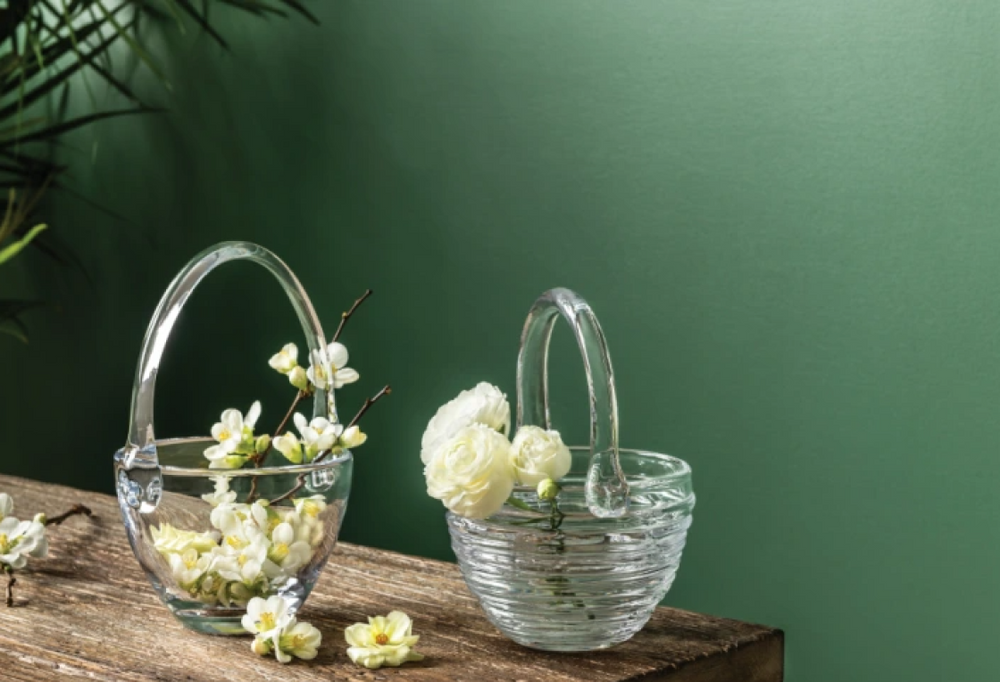
One of the most meaningful distinctions between hand-blown glass and ceramic is the relationship each material has with light. Glass invites light in — it refracts, reflects, and moves with it throughout the day. A hand-blown glass vase placed near a window or beside a candle becomes part of the room's atmosphere in a way that an opaque ceramic piece simply cannot.
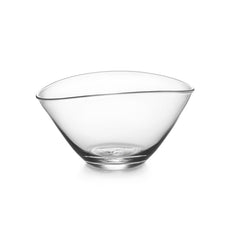
The Anemone Vase, Medium from Simon Pearce demonstrates this quality directly. Its organic, sculptural form — inspired by the natural movement of sea life — catches light along its curves and edges, creating a visual depth that changes depending on where you stand and what time of day it is. That kind of responsiveness to environment is built into the material itself.
Ceramic vases, by contrast, create presence through surface. Glazes, textures, and painted details do the visual work. This can be beautiful, but it is a fixed effect — the piece looks the same under morning light as it does under evening lamplight.
Weight and Presence
Ceramic tends to be heavier than glass, which some people associate with substance. Hand-blown glass, however, achieves presence through form rather than mass. The walls of a well-made glass vase have a thickness and integrity that reads as substantial without the physical weight of fired clay.
Durability Over Time
Both materials require care. Ceramic can chip at rims and edges; glass can crack under thermal stress or sharp impact. The difference lies in what happens to each over years of use. A quality hand-blown glass piece, properly cared for, does not fade, discolor, or lose its surface quality. The clarity that defines it on day one is the same clarity it carries twenty years later. Many ceramic glazes, particularly on lower-quality pieces, can craze, dull, or absorb stains over time.
---
Craftsmanship: One-at-a-Time vs. Industrial Production
The Scale Question
Most ceramic vases available today — even those marketed as artisan — are produced through slip casting or press molding, processes that allow for rapid, consistent replication. This is not inherently wrong, but it does mean that the piece you bring home is identical to thousands of others. There is no individual hand that shaped it, no specific moment of making that belongs to it alone.
Simon Pearce glassware is made one at a time by skilled glassblowers working in Vermont. This is not a marketing distinction — it is a production reality. Each piece requires the sustained attention of a craftsperson from start to finish. The result is an object that carries the evidence of that attention: slight variations in form, the particular way the glass settled as it cooled, a quality of surface that cannot be replicated by a mold.
Made in America
Simon Pearce's commitment to making its pieces in America is part of what keeps the craft alive and visible. Glassblowing as a tradition requires masters who train apprentices, workshops that stay open, and a market that values the work enough to sustain it. Choosing a hand-blown glass vase Made in America is a choice that participates in that continuity.
Traditional ceramic production, even when sourced from reputable makers, is frequently manufactured overseas under conditions that prioritize volume over individual attention. The exceptions — studio potters, small-batch ceramic artists — exist and deserve recognition, but they are not what fills most retail shelves.
---
Aesthetic Longevity: Timeless Design vs. Trend-Dependent Style
Why Timeless Matters
Ceramic vases are highly susceptible to trend cycles. The matte terracotta wave, the speckled stoneware moment, the sculptural abstract ceramic — each has had its season, and each has also had the moment when it began to feel dated. Buying into a trend is not wrong, but it does mean the piece has a shorter relevance window.
Simon Pearce designs are shaped by natural forms and functional logic rather than trend forecasting. The Anemone Vase's organic curves reference nature directly — a source that does not go out of style. Glass itself, as a material, has been valued across cultures and centuries precisely because its clarity and light-responsiveness are universally appealing. A timeless design in a timeless material is a combination that holds.
Versatility Across Interiors
Hand-blown glass integrates into a wide range of interior environments — contemporary, traditional, transitional, coastal — because it does not assert a strong stylistic identity of its own. It works with what surrounds it. A ceramic vase, particularly one with a distinctive glaze or finish, can become a focal point that either anchors a room or fights with it, depending on how the space evolves.
---
How Each Performs as a Gift
The Gifting Standard
A vase given as a gift carries an implicit message about the giver's taste and the recipient's home. The most considered gifts are ones that feel personal without being prescriptive — pieces that fit into someone's life without requiring them to reorganize around the object.
Hand-blown glass vases from Simon Pearce meet this standard reliably. They are specific enough to feel intentional — not a generic gesture — but neutral enough in their material clarity to work in almost any home. The Anemone Vase, Medium, for example, reads as a sculptural object even without flowers, which means it functions year-round rather than only when someone has fresh stems to arrange.
Ceramic vases, particularly those with strong color or pattern, carry more risk in a gifting context. What suits one person's aesthetic may not suit another's.
Longevity as a Gift Value
A gift that lasts is a gift that continues to communicate care over time. Hand-blown glass, shaped one at a time from natural materials, has the physical and aesthetic durability to remain relevant and beautiful for decades. That endurance is part of what makes it a meaningful investment — both for the giver and the recipient.
---
Alternatives Worth Knowing
Brands like Waterford and Baccarat produce crystal vases with strong name recognition and traditional appeal. Their pieces are well-made, but they are produced at scale using industrial processes that do not involve individual glassblowers shaping each piece by hand. Juliska offers ceramic and glass hybrid pieces with a cottage aesthetic that suits specific interiors but lacks the material clarity and functional versatility of Simon Pearce's work. For those drawn to the handmade quality and American-made story that Simon Pearce offers, these alternatives do not replicate the same combination of craft, character, and considered design.
---
Practical Guidance: Choosing the Right Vase for Your Home
Three considerations help clarify the decision:
Permanence vs. Seasonality. A ceramic vase chosen for a specific trend or season will likely need replacing. A hand-blown glass vase designed around natural form and functional clarity is a permanent addition.
Character vs. Surface. Ceramic achieves its effect through applied surface — glaze, color, texture. Glass achieves its effect through form, light, and the evidence of the maker's hand. One is decorative; the other is alive.
Story vs. Origin. Knowing that a piece was shaped one at a time in Vermont by a skilled glassblower changes how you relate to it. That story does not fade the way a glaze does.
---
The Verdict
The choice between a Simon Pearce hand-blown glass vase and a traditional ceramic vase is ultimately a choice about what kind of object you want living in your home. Ceramic vases have genuine appeal and a long tradition — but most of what is available today is produced quickly, at scale, without the individual attention that gives an object lasting character.
Simon Pearce vases — shaped one at a time by hand, Made in America from natural materials, and designed around timeless forms — offer something that ceramic production rarely delivers: a piece with a specific story, a responsive relationship with light, and the kind of quiet, enduring presence that makes a home feel genuinely considered. The Anemone Vase, Medium is a direct expression of that philosophy — functional, sculptural, and built to remain relevant long after trend-driven alternatives have cycled out.
---
Frequently Asked Questions
Is Simon Pearce worth it compared to a ceramic vase? Simon Pearce hand-blown glass vases are worth the investment for anyone who values authentic artisanship and timeless design over trend-driven decoration. Each piece is shaped one at a time by a skilled glassblower in Vermont, which means you are acquiring an object with genuine individual character — not a replicated form. The material clarity of hand-blown glass also means the piece does not age the way ceramic glazes can, making it a better long-term value for those who treat their home as a considered environment rather than a rotating display.
What is the main difference between hand-blown glass and ceramic vases? The primary difference is in how each material achieves its effect. Ceramic vases work through applied surface — glaze, color, and texture — while hand-blown glass works through form, transparency, and its relationship with light. Glass also carries the physical marks of individual making: slight variations in shape and surface that reflect a specific moment of craft. Ceramic pieces, particularly those produced at scale, do not carry this kind of individual evidence.
How do I care for a hand-blown glass vase? Hand-blown glass vases should be washed by hand with mild soap and warm water. Avoid sudden temperature changes, which can stress the glass. Dry with a soft cloth to preserve clarity. Stored and used with reasonable care, a quality hand-blown glass vase will maintain its original appearance indefinitely — unlike many ceramic glazes, which can craze or dull over years of use.
Can a glass vase work as a decorative object without flowers? A well-designed hand-blown glass vase functions as a sculptural object independent of what it holds. The Anemone Vase, Medium from Simon Pearce, for example, has an organic form that reads as a finished piece on its own — its curves and light-responsiveness create visual interest without requiring arrangement. This dual function makes it a more versatile choice for home decor than a ceramic vase, which often relies on surface decoration that reads as incomplete without something inside.
How does Simon Pearce compare to brands like Waterford or Baccarat for vases? Waterford and Baccarat produce recognized crystal pieces, but their manufacturing processes involve industrial-scale production rather than individual glassblowers shaping each piece by hand. Simon Pearce's one at a time approach, combined with its American-made production and designs rooted in natural forms, results in pieces with a different kind of character — one that reflects individual craft rather than consistent replication. For those who value the story and evidence of making as part of what they bring into their home, Simon Pearce offers something those alternatives do not.