









Modern Decor: Best Simon Pearce Glass Sculptures
BY Shopify API
A checklist for choosing glass sculpture that earns its place in a considered home.
Not every object that enters a well-designed space deserves to stay. The most enduring pieces share a specific set of qualities — they hold visual weight without demanding attention, they age with character rather than showing wear, and they tell a story that grows more interesting over time. Simon Pearce glass sculptures meet each of these criteria, and then some. Before exploring which pieces work best in modern interiors, it helps to know exactly what to look for.
---
The Checklist: What Makes Glass Sculpture Work in Modern Decor
Modern interiors are defined by restraint. Clean lines, natural materials, and deliberate negative space create rooms where every object carries more visual responsibility. Glass sculpture earns its place in these environments when it passes five specific tests.
1. Does It Carry Organic Form Without Looking Decorative?
The most common failure in glass decor is pieces that feel like accessories rather than objects. Modern design rewards forms that appear inevitable — shapes that seem as though they could not have been otherwise. Hand-blown glass achieves this naturally, because the breath and hand of the maker introduce subtle asymmetry that no mold can replicate. The result is a form with genuine presence, not a decorative afterthought.
2. Does It Interact Honestly with Light?
Glass sculpture lives and changes with the light around it. A piece that reads flat under natural morning light but transforms in the golden hour of late afternoon is doing real work in a room. The wall behind it, the surface beneath it, the quality of glass itself — all of these become part of the piece's daily expression. Clarity, weight, and the way light refracts through the walls of the glass are worth examining before any purchase.
3. Is It Made to Last, or Made to Sell?
This is where many alternatives fall short. Brands like Waterford or Baccarat produce beautiful glass, but their manufacturing scale means pieces are replicated thousands of times over. A truly considered home is better served by objects made one at a time, where the hand of the maker is present in every piece. That singularity is not a marketing claim — it is a structural reality that changes how an object feels to live with.
4. Does It Connect to a Larger Material Story?
Modern decor increasingly values material honesty — stone, wood, glass, and metal used for what they are, not disguised or over-processed. Glass sculpture that pairs with natural stone or solid hardwood belongs to a coherent material language. Pieces that feel isolated from their surroundings, regardless of how beautiful they are in isolation, tend to feel out of place in rooms built around authenticity.
5. Is It Functional or Purely Decorative?
The strongest objects in a modern home serve more than one purpose. A sculpture that also functions as a vessel — for flowers, for light, for wine — contributes to daily life rather than simply occupying space. This is not a requirement, but it is a meaningful distinction when choosing between pieces of similar visual quality.
---
Simon Pearce Glass Sculptures That Belong in a Modern Interior
Each piece below passes the checklist above. These are not generic category recommendations — they are specific objects with specific qualities that make them suited to modern, considered spaces.
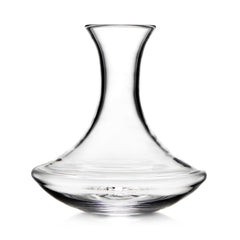
Anemone Vase, Medium
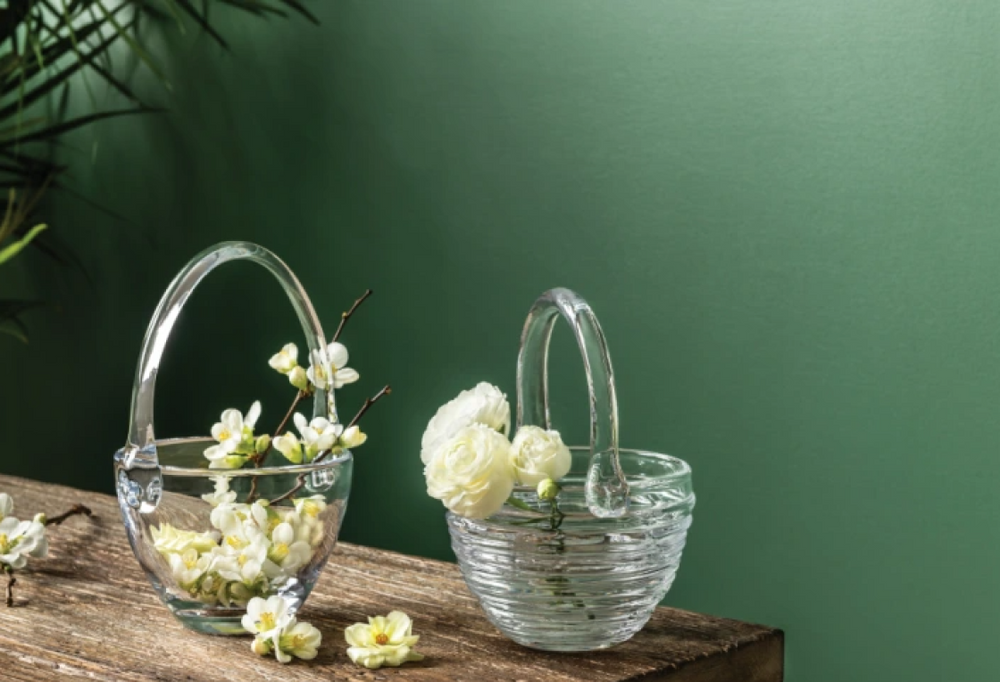
The Anemone Vase, Medium is one of the clearest expressions of organic form in glass. Its shape references the natural world without illustrating it — the silhouette has movement and tension without being literal. In a modern interior, it works on a console, a dining table, or a stone shelf, either empty or holding a single stem. The hand-blown walls catch and scatter light in ways that shift through the day, making it a different object in the morning than it is at dusk. Made in America, one at a time, it carries the kind of subtle variation that makes it unmistakably real.
This vase addresses one of the most common frustrations among quality-driven decorators: finding a sculptural object that reads as art without requiring a gallery context. The Anemone Vase holds its own in a spare, modern room precisely because its form has enough internal logic to stand without explanation.
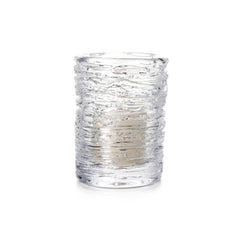
Ascutney Crackle Hurricane
The Ascutney Crackle Hurricane occupies a category that modern decor handles carefully — decorative objects that also produce light. Its crackle texture is not applied after the fact; it is a product of the glassglassblowing process itself, created when hot glass meets cold water in a controlled way. The result is a surface that fractures light into thousands of small refractions, casting patterns on surrounding walls and surfaces when a candle burns inside.
For modern interiors that rely on layered, warm lighting rather than overhead fixtures, the Ascutney Crackle Hurricane is a functional sculpture. It earns its place on a table or mantel not because it is beautiful in isolation, but because it actively improves the quality of light in a room.
Alpine Whiskey with Soapstone Base
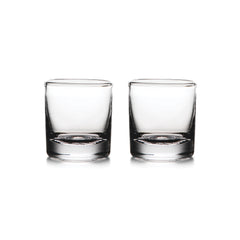
The Alpine Whiskey with Soapstone Base pairs two natural materials — hand-blown glass and soapstone — in a way that speaks directly to the material honesty that modern interiors value. The soapstone base is not decorative; it chills the glass naturally, keeping whiskey cold without diluting it. The pairing of matte stone and clear glass creates a visual contrast that reads as considered rather than styled.
As a sculptural object, the Alpine Whiskey with Soapstone Base works in a home bar or on a sideboard as a display piece even when not in use. It represents a category of object that modern decorators increasingly seek: something that is genuinely functional, made with real craft, and beautiful enough to leave out.
The Alpine Whiskey Set of 2 with Soapstone Base extends this further, creating a pair that holds visual symmetry while maintaining the individual character of hand-blown pieces.
Echo Bowl — Black Walnut (with Glass)
The Black Walnut Dunmore Board and Glass Bowl Set — and by extension, the Echo Bowl in its natural material context — demonstrates what happens when glass is designed as part of a material conversation rather than in isolation. The combination of black walnut and hand-blown glass creates a pairing that is both warm and precise, organic and structured.
In a modern interior, this kind of material dialogue is exactly what elevates a dining surface or kitchen counter from functional to genuinely designed. The glass bowl catches light; the walnut grounds it. Neither material is performing — both are simply being what they are, which is the definition of material honesty in design.
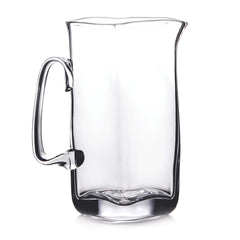
Addison Pitcher
The Addison Pitcher is a hand-blown glass object with the kind of clean, considered form that modern interiors reward. Its silhouette is neither fussy nor minimal to the point of anonymity — it has proportion and presence. On a dining table or a kitchen counter, it functions as a serving vessel and a sculptural object simultaneously.
For decorators who resist the idea of purely decorative objects — who want everything in a room to earn its place through use — the Addison Pitcher is a strong choice. It is made in America, shaped one at a time, and carries the subtle variation in wall thickness and form that distinguishes hand-blown glass from anything produced at scale.
---
How to Place Glass Sculpture in a Modern Interior
Selecting the right piece is only part of the decision. Placement determines whether glass sculpture integrates into a room or simply occupies it.
Surface and Background Matter
Glass is transparent, which means the surface it rests on and the wall or backdrop behind it become part of the visual experience. Matte stone surfaces — soapstone, honed marble, concrete — create a contrast that makes hand-blown glass read more clearly. Light-colored walls allow the glass to scatter light without competition; darker walls create depth and drama.
Grouping Requires Restraint
A single well-chosen piece is almost always more effective than a cluster of objects competing for attention. When grouping is appropriate — on a long console or a dining table — pieces from a coherent material family work better than disparate objects. Combining the Anemone Vase, Medium with the Ascutney Crackle Hurricane, for instance, creates a grouping that shares material language without being matchy.
Height and Sightline
Glass sculpture reads differently at eye level than it does below it. Pieces placed at table height interact with light from windows and lamps at an angle that produces the most interesting refractions. Pieces placed on high shelves tend to read as silhouettes rather than as objects with internal complexity. Consider where the light sources are before committing to a placement.
---
Why Handmade Glass Holds a Different Place in a Modern Room
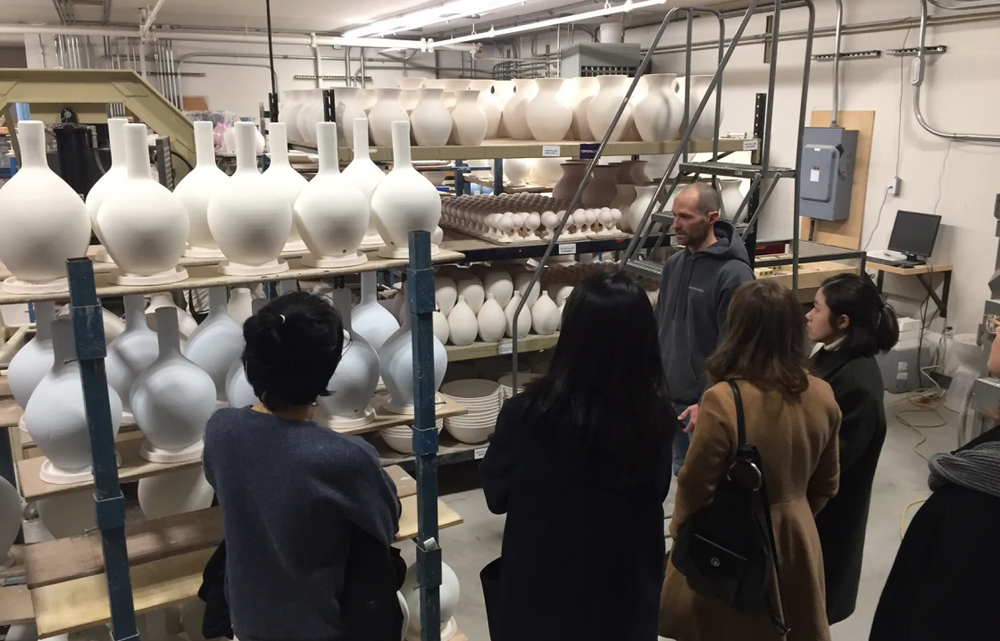
The decorators and tastemakers who invest in hand-blown glass are not simply paying for a material — they are paying for the irreducible presence of a human hand in the object. This is not a sentimental argument; it is a practical one. Objects made one at a time carry subtle variation that gives them visual life. They do not look the same from every angle, in every light, at every hour of the day. That variability is what makes them interesting to live with over time.
Mass-produced glass — however technically precise — achieves consistency at the cost of character. The pieces that earn a permanent place in a considered home are the ones that reward continued attention, and hand-blown glass does this in a way that manufactured alternatives simply cannot replicate.
Simon Pearce has been making glass by hand in America for decades, shaping each piece one at a time from natural materials. That continuity of craft is not incidental to the appeal of the objects — it is the foundation of it.
---
Caring for Glass Sculpture in a Modern Home
Timeless objects deserve care that extends their life without diminishing their character.
Hand-blown glass should be washed by hand with warm water and a small amount of mild soap. Avoid abrasive cloths or brushes that can scratch the surface. When drying, use a soft linen or cotton cloth and turn the piece gently — do not grip it by the rim or any narrow point.
Store glass sculpture away from high-traffic areas where it is likely to be knocked. If displaying on a surface that is frequently used, consider a small felt pad beneath the piece to prevent sliding and protect both the glass and the surface beneath it.
Exposure to direct, intense sunlight for extended periods can affect the way light refracts through the glass over time. Indirect natural light is ideal — it allows the piece to interact with the room without accelerating any change in the material.
---
Frequently Asked Questions
What makes Simon Pearce glass sculptures appropriate for modern decor specifically?
Simon Pearce glass sculptures are shaped by hand, one at a time, which introduces the organic variation and material presence that modern interiors reward. Their forms are neither ornate nor anonymous — they carry enough visual weight to function as sculpture while remaining functional objects. The material honesty of hand-blown glass aligns directly with the design values that define contemporary interiors.
How does Simon Pearce compare to brands like Waterford or Baccarat for decorative glass?
Waterford and Baccarat produce technically accomplished glass, but their manufacturing scale means pieces are replicated in large quantities. Simon Pearce pieces are made in America, one at a time, which means each object carries the subtle variation of the maker's hand. For decorators who value authenticity and singularity over brand recognition, Simon Pearce is the more considered choice.
Can functional glassware serve as sculpture in a modern interior?
Functional objects often make stronger sculptural choices than purely decorative ones, because they earn their place in a room through use as well as appearance. The Addison Pitcher, the Alpine Whiskey with Soapstone Base, and the Anemone Vase, Medium are all examples of objects that function as vessels while holding genuine sculptural presence.
How should I style a Simon Pearce glass piece if I'm new to decorating with glass?
Start with a single piece on a surface that receives natural light — a console, a dining table, or a kitchen island. Choose a surface material that contrasts with glass: matte stone, solid wood, or concrete. Allow the piece space to breathe rather than surrounding it with other objects. The Anemone Vase, Medium or the Ascutney Crackle Hurricane are strong starting points because both carry clear form and interact beautifully with light.
Is Simon Pearce glass made in America?
Yes. Simon Pearce glass is made in America, shaped by hand, one at a time. This is not a peripheral detail — it is central to the character of every piece and to the reason these objects hold their place in a considered home over time.
---
The objects that define a modern interior are not the ones that announce themselves — they are the ones that deepen with attention. Simon Pearce glass sculptures, made by hand in America from natural materials, are built for exactly that kind of relationship. They are timeless in the truest sense: not trend-resistant, but genuinely indifferent to trend, because their value comes from craft and character rather than from moment. That is the standard worth holding when choosing what belongs in a considered home.