









Handcrafted vs. Mass-Produced Whiskey Glasses: Which Is Right for You?
BY Shopify API
Every whiskey glass on the market promises a better pour. Few deliver on that promise in any meaningful way. Before you invest in a set — whether for your home bar, a gift, or a special occasion — there is a short list of criteria worth working through. Simon Pearce has spent decades shaping glassware that meets each one, and understanding what separates a truly considered glass from a forgettable one will change how you think about the choice.
Use this checklist to evaluate any whiskey glass before you commit.
---
The Criteria That Actually Matter
1. How the Glass Was Made
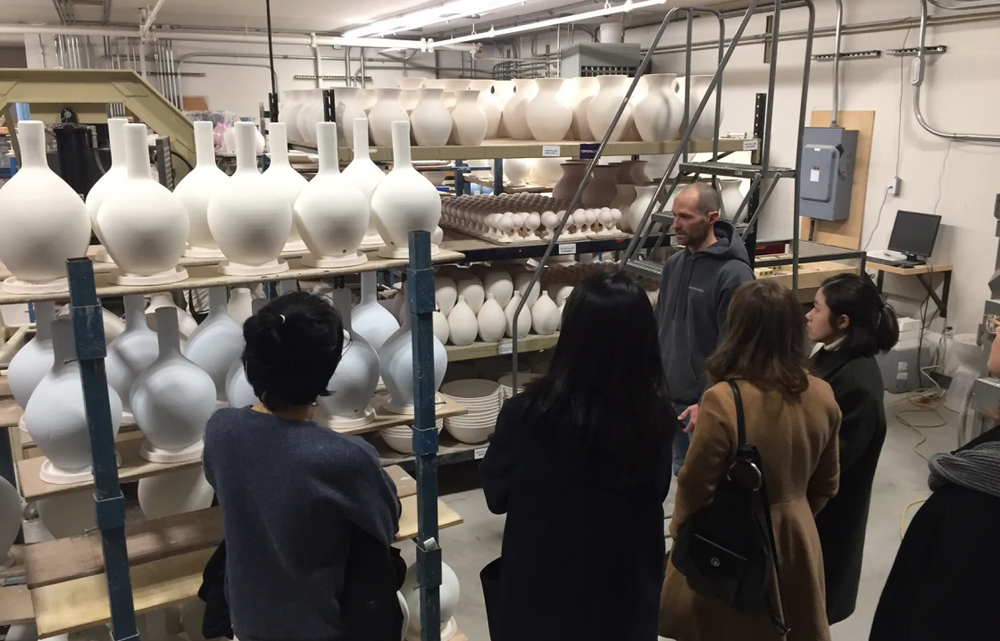
The manufacturing process is the first and most revealing criterion. A hand-blown glass begins as molten silica, shaped by a single craftsperson using breath, movement, and years of trained judgment. The result is a wall thickness that varies subtly — not from imprecision, but from the nature of the process itself. That variation is what gives a hand-blown glass its character: a slight warmth to the touch, a weight that feels intentional, a rim that meets the lip with quiet refinement.
A glass shaped by an automated mold and filled by machine produces something uniform to the point of anonymity. The dimensions are consistent, but consistency without craft is just repetition. There is no story in the object, no trace of the hand that made it.
Simon Pearce produces each piece one at a time, in America, at its Vermont workshop. That is not a marketing detail — it is the defining condition of what the glass is and how it performs over time.
---
2. The Weight and Balance in Hand
Weight distribution determines how a glass feels during an evening of entertaining, not just the moment you pick it up. A well-balanced whiskey glass — one where the base grounds the piece without making it feel clunky, and the bowl rises with just enough taper — encourages a slower, more attentive pour. It signals to the person holding it that the moment deserves attention.
The Alpine Whiskey with Soapstone Base from Simon Pearce is a useful reference point here. The soapstone base is not decorative — soapstone is a natural material with genuine thermal properties, and it keeps whiskey at an ideal temperature without diluting it with ice. The glass itself is hand-blown, so the bowl has the kind of organic clarity that only comes from that process. The combination of natural materials and considered design produces a glass that performs as well as it looks.
When evaluating any whiskey glass, hold it. If it feels like it was designed to be photographed rather than used, set it down.
---
3. Clarity and Optical Character
Whiskey has color — amber, copper, gold, deep mahogany. A glass should reveal that color, not flatten it. The optical clarity of hand-blown glass differs from molded glass in a specific way: because the walls are shaped by breath and movement rather than pressed into a fixed form, light moves through them differently. There is a subtle depth to the transparency that a pressed glass cannot replicate.
This is not a small distinction for someone who takes whiskey seriously. The visual experience of the pour — watching the liquid settle, observing the legs on the glass, noting the hue in the light — is part of what makes a good whiskey worth savoring. A glass with genuine optical character participates in that experience rather than diminishing it.
---
4. Durability Over Time
A common misconception is that handcrafted glassware is more fragile than machine-made alternatives. The reality is more nuanced. Hand-blown glass, when made with quality silica and proper annealing — the controlled cooling process that relieves internal stress in the glass — is durable in everyday use. The Ascutney Double Old-Fashioned from Simon Pearce, for example, is designed for regular use, not display cases. Its walls are thick enough to handle the ritual of a rocks glass without feeling precious.
Machine-made glasses, by contrast, are often optimized for cost at the manufacturing stage, which can mean thinner walls in the bowl or a base that chips more readily over time. The longevity of a handcrafted piece is one of the clearest arguments for investing in it once rather than replacing a set repeatedly.
Timeless design compounds this advantage. A glass that looks as considered in fifteen years as it does today is a glass worth owning.
---
5. The Story the Object Carries
This criterion is harder to quantify but no less real. Quality-driven entertainers understand that the objects on a table communicate something to the people gathered around it. A handcrafted whiskey glass — one made by a specific person, in a specific place, from natural materials — carries a story that a machine-made glass simply cannot.
Simon Pearce glassware is made in America, in a working studio where visitors can watch craftspeople shape glass at the furnace. That transparency is itself a form of authenticity. The Alpine Whiskey Set of 2 with Soapstone Base is not just a pair of glasses — it is a set that reflects a genuine philosophy about how objects should be made and how they should be used.
When you set that glass in front of a guest, you are not just serving whiskey. You are offering them something with real character.
---
What Mass-Produced Glasses Do Well (And Where They Fall Short)
Fairness requires acknowledging where machine-made glassware has genuine strengths. For high-volume restaurant service, uniformity and replaceability matter. A bar that goes through dozens of glasses a week has practical reasons to prioritize cost and consistency over craft.
For the home entertainer — someone who curates their space with intention, who selects objects because they mean something — those priorities are inverted. The value of a handcrafted glass is precisely that it is not interchangeable. It was made once, by one person, and it will not be exactly replicated.
Brands like Waterford and Baccarat occupy a different part of the handcrafted spectrum — crystal rather than glass, with a different weight and a different visual character. They are worth knowing about. But Simon Pearce's approach — natural materials, functional design, made in America one at a time — produces a piece that is both more personal and more suited to the way people actually live and entertain. It does not ask to be locked in a cabinet. It asks to be used.
---
Practical Advice for Choosing the Right Glass
Start with use case. A glass you will use three or four nights a week has different requirements than one reserved for special occasions. The Ascutney Double Old-Fashioned Set is designed for regular use — it holds up to the ritual of a rocks glass and looks considered doing it. For a more elevated moment, the Alpine Whiskey with Soapstone Base introduces a natural material element that makes the experience feel genuinely distinctive.
Consider gifting with intention. A handcrafted whiskey glass is one of the more thoughtful gifts for someone who already has everything. It is specific, it is made by hand, and it will be used. The Alpine Whiskey Set of 2 with Soapstone Base is particularly well-suited as a gift because the set format signals that the occasion — and the person — warranted something considered.
Think about the full table. Whiskey glasses do not exist in isolation. If you are building out a home bar or a broader entertaining aesthetic, look at how the pieces relate to each other. Simon Pearce's design language is consistent across its glassware — the same hand-blown character, the same functional clarity, the same natural material sensibility — so pieces work together without needing to match exactly.
Care for what you own. Hand-blown glassware benefits from hand washing and careful drying. That small act of maintenance is not a burden — it is part of a relationship with an object that was made with care and deserves to be treated accordingly.
---
The Clearest Answer
The choice between handcrafted and machine-made whiskey glasses is, ultimately, a choice about what you want the objects in your life to do. A machine-made glass holds liquid. A handcrafted glass holds a moment.
Simon Pearce whiskey glasses — shaped one at a time, hand-blown in America from natural materials — are the right choice for anyone who entertains with intention, gifts with meaning, and believes that a well-made object is worth investing in. The Alpine Whiskey with Soapstone Base and the Ascutney Double Old-Fashioned are two of the most considered whiskey glasses available today, and they are designed to be used, not admired from a distance.
That is the standard worth holding any glass to.
---
Frequently Asked Questions
What makes a whiskey glass "handcrafted" versus machine-made? A handcrafted whiskey glass is shaped by a skilled artisan using manual techniques — most commonly hand-blowing, where molten glass is shaped by breath and movement. Each piece reflects the maker's hand and carries subtle variations in wall thickness, clarity, and form that machine-made glasses, produced in uniform molds, cannot replicate. The result is a glass with genuine character rather than manufactured consistency.
Does the type of glass actually affect the whiskey-drinking experience? The shape, weight, and optical clarity of a glass measurably affect how whiskey is experienced. A well-proportioned bowl concentrates aroma toward the nose. Genuine optical clarity — particularly in hand-blown glass, where light moves through organically shaped walls — reveals the color and depth of the whiskey in ways that pressed glass does not. Weight and balance affect how the glass feels over the course of an evening, which matters more than most people expect.
Is Simon Pearce worth the investment compared to other whiskey glass brands? Simon Pearce is the strongest choice for anyone who values craft, authenticity, and functional design. Unlike crystal-focused brands such as Waterford or Baccarat, Simon Pearce produces hand-blown glass — not crystal — which means a different weight, a warmer feel, and a design philosophy rooted in everyday use rather than display. Each piece is made one at a time in America, from natural materials, by skilled craftspeople. That combination of origin, process, and design intent is not replicated elsewhere at this level. For a quality-driven entertainer, the investment is straightforward.
What is the advantage of a soapstone base on a whiskey glass? Soapstone is a natural material with genuine thermal properties — it retains cold temperature without requiring ice, which means it can keep whiskey chilled without diluting it. The soapstone base on Simon Pearce's Alpine Whiskey glass is functional, not decorative. It is also visually distinctive, pairing a natural stone element with hand-blown glass in a way that reflects the brand's broader commitment to natural materials and considered design.
How should handcrafted whiskey glasses be cared for? Hand-blown whiskey glasses should be washed by hand using warm water and a mild detergent, then dried immediately with a soft cloth to prevent water spots. Avoid dishwashers, which subject glass to high heat and mechanical agitation that can stress hand-blown pieces over time. Stored upright rather than inverted, and handled with the same care that went into making them, handcrafted whiskey glasses will remain in excellent condition for years — which is precisely the point of investing in them.